Planning for HVAC Replacement
Age matters, but repair history, energy bills and comfort tell you more about when a system has earned its retirement.
October 7, 2026 · 4 min read
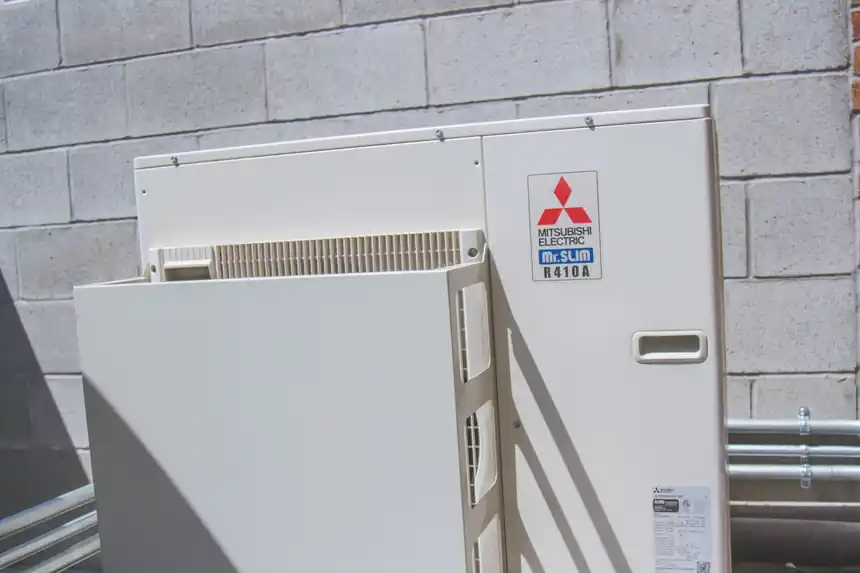
Most people replace a heating and cooling system the hard way: in the middle of a July heat wave or a January cold snap, right after it quits. In the Yakima Valley and the Tri-Cities, where summers run hot and winters get properly cold, that is the worst possible moment to shop. Equipment can be backordered, schedules fill up, and you end up deciding quickly with a house that is already too hot or too cold. A little planning moves the decision to a mild week in spring or fall, when you can compare options calmly.
Start with the age of the equipment
Heat pumps in this part of Washington commonly last 10 to 15 years. Gas furnaces tend to last 15 to 20. Plenty of units run past those marks, but the decline is steady. You may see rust or water damage on the cabinet, a unit that takes longer to reach the set temperature, or noises that were not there a few years ago. Older heat pumps may also use refrigerant that has been phased out, and older furnaces may need parts that manufacturers no longer make. Both situations make a repair slower and more expensive than it would have been on a newer system.
Age alone is not a verdict. A 14-year-old furnace that was serviced every fall and has never needed a major part is in a different position than a 9-year-old system that has been neglected. Treat age as the reason to start paying attention, not the reason to sign a contract.
Watch what the repairs are costing you
A widely used rule of thumb is the half-of-replacement test. If a single repair, or the repairs piling up over a couple of seasons, approach half of what a new system would cost, putting that money toward new equipment usually makes more sense, especially on older units. Some parts are the ones that tip the balance:
- Heat pumps: compressors, coils, control boards, inverters, reversing valves and refrigerant recharges on older refrigerants
- Furnaces: heat exchangers, control boards, inducer motors and blower motor assemblies
- Any system where the same symptom keeps coming back after a repair
Keep your invoices. Looking at two or three years of service calls in one pile often makes the answer obvious.
Notice the bills and the comfort in your house
If your thermostat habits have not changed but your electric or gas bills keep climbing, the equipment may be losing efficiency. A tired system works longer to deliver the same temperature. Newer high-efficiency equipment can cut heating and cooling energy use by a meaningful margin, often in the range of 20 to 40 percent compared with a much older unit, though your own result depends on the home and how you use it.
Comfort is the other signal. Rooms that never get warm in January, a second floor that bakes in August, sticky air in summer, or weak airflow at the vents can point to worn equipment. They can also mean the system was never sized or matched to the house properly, which is a good reason to have the whole setup looked at rather than swapping like for like.
Think about the extremes, not the average day
Your system does not have to be perfect on a 65-degree day. It has to hold up when Yakima hits triple digits or the overnight low drops well below freezing. If you spend heat waves worrying whether the air conditioner will make it, or cold nights listening for the furnace to cycle, that anxiety is information. Replacing equipment before the busy seasons also avoids the scramble for parts and installers when everyone else's system fails on the same weekend.
It also helps to know what is available to offset the cost. Ask us about current Pacific Power and Cascade Natural Gas rebates, since ACT is a qualified trade ally for both programs, and about financing options through Synchrony, Wells Fargo or Craft3.
What a good replacement conversation looks like
A good estimate starts with your house, not a catalog. Someone should look at the existing equipment, the ductwork, the insulation and how the rooms are used, then explain whether repair or replacement fits your situation. They should size the new equipment from a load calculation rather than by copying whatever is already there. And they should be willing to tell you when the answer is a repair.
If your system is getting old, costing more each year, or leaving rooms uncomfortable, call ACT Heat & Air at (509) 388-2997 for an inspection and a replacement estimate. We install and service Mitsubishi, Trane and American Standard equipment, and we work on all makes. We serve Yakima, Ellensburg, the Lower Valley and the Tri-Cities, and we offer 24 hour emergency service if the decision gets made for you before you are ready.
Absolute Comfort Technology, (509) 388-2997
Call (509) 388-2997More articles
How to Size an HVAC System
An oversized or undersized system wastes energy and wears out early, so the right size comes from your house, not a rule of thumb.
Why is My Electric Bill So High?
Heating and cooling often account for the largest share of a home's energy use, which makes it the best place to look for savings.