Heat Pump vs. Furnace: Which Is Better for Central Washington Homes?
Each option wins in a different kind of house, so the best choice depends on your insulation, ducts, budget and how long you plan to stay.
October 7, 2026 · 3 min read
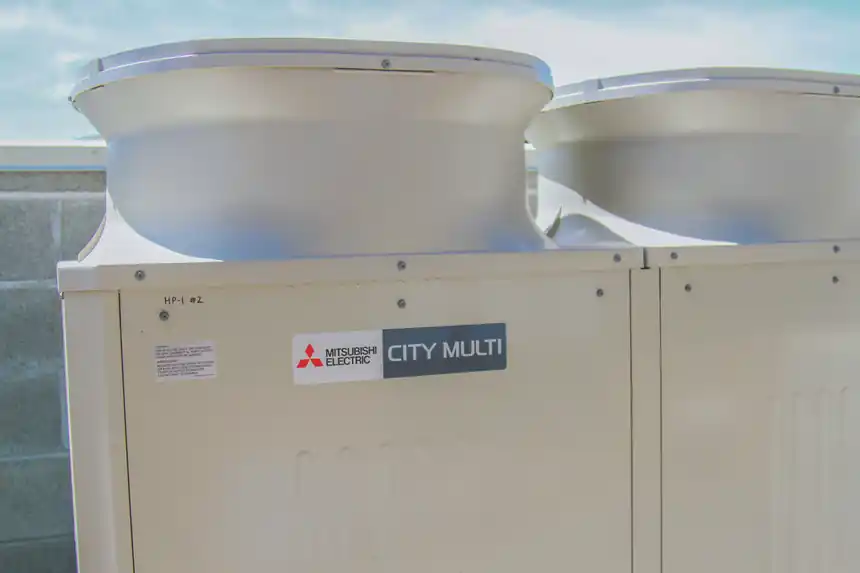
When it is time to replace your heater, you want warmth that holds up on the coldest night of the year and a utility bill you can live with. Central Washington gives both choices a fair test: long stretches of moderate cold where a heat pump shines, and cold snaps where a gas furnace earns its keep. A third option, dual fuel, combines the two. Here is how they compare.
How a heat pump works, and where it fits
An electric heat pump does not make heat so much as move it. In winter it pulls heat from outdoor air and delivers it indoors through your ducts. In summer it runs in reverse and works as your air conditioner. That dual role is a real advantage: one system handles both seasons.
- Installation: typically costs more up front than a furnace, with ranges commonly quoted from about $5,000 to $15,000 depending on design, though it also replaces your air conditioner
- Efficiency: under good conditions, a heat pump can deliver two to four times the energy it consumes, which is how it offsets its higher price with lower operating costs
- Cold weather: cold-climate models keep working at low temperatures, but in very hard cold they lean on electric resistance backup, which uses a lot of energy
- Best fit: newer, well-insulated homes with sound ductwork
How a gas furnace works, and where it fits
A furnace burns natural gas or propane, passes the heat through a metal heat exchanger, and a blower pushes the warmed air through the ducts. It makes heat the same way whether it is 30 degrees outside or well below zero, which is why it has been the default in cold climates for decades.
- Installation: generally costs less up front, with ranges commonly quoted from about $2,000 to $10,000 depending on size and configuration, but it only heats, so you still need a separate air conditioner
- Cold weather: steady, dependable output regardless of how low the temperature drops
- Operating cost: depends heavily on local gas prices, and in a deep freeze a furnace can be cheaper to run than a heat pump relying on electric backup
- Best fit: older homes with weaker insulation or older ducts, and homeowners who would otherwise need an electrical service upgrade to add a heat pump
Those cost figures are general ranges. Your actual price depends on the equipment, the condition of your ducts and gas lines, and the work your house needs.
Dual fuel: using each one where it is strongest
A dual fuel system pairs an outdoor heat pump with an indoor gas furnace. The heat pump handles most of the heating and cooling. When it gets cold enough that the heat pump would struggle, the furnace takes over automatically, so you avoid expensive electric resistance heat. You can usually choose the temperature at which the switch happens, which lets you lean toward lower bills or toward maximum comfort.
Because dual fuel combines two pieces of equipment, it costs more to install than either alone, but it can deliver strong savings over time, especially if you plan to stay in your home for a long while. It also gives you backup: if one half has a problem, the other can still heat the house.
Ductless is a fourth path
If your home has no ducts, or you are heating an addition or a shop, ductless heat pumps are worth a look. They deliver conditioned air directly into a zone, and they avoid the losses that come with ductwork. ACT is a Mitsubishi Double Diamond dealer, and ductless systems are a big part of what we install in the Yakima Valley.
How to decide
Look at four things: how well your house holds heat, the condition of your ducts, your electrical panel and gas service, and how long you plan to stay. A well-sealed newer home with good ducts leans toward a heat pump. An older, drafty house on a tight budget often points to a furnace. If you want the best of both and plan to stay put, dual fuel makes sense.
ACT Heat & Air installs and services heat pumps, furnaces, dual fuel systems and ductless equipment, and we will give you a straight answer about what fits. Call (509) 388-2997 for an estimate. We serve Yakima, Ellensburg, Prosser, Kennewick, Richland, Pasco and the surrounding area, and you can ask us about current Pacific Power and Cascade Natural Gas rebates when you call.
Absolute Comfort Technology, (509) 388-2997
Call (509) 388-2997More articles
Planning for HVAC Replacement
Age matters, but repair history, energy bills and comfort tell you more about when a system has earned its retirement.
How to Size an HVAC System
An oversized or undersized system wastes energy and wears out early, so the right size comes from your house, not a rule of thumb.